Touring a preschool gives you the opportunity to experience the learning environment beyond what you see on a website or brochure. It’s your chance to observe daily routines, meet educators, and determine whether a program feels like the right fit for your family.
Bringing a checklist can help you compare schools objectively and ensure you don’t overlook important details.
Before Your Visit
Take a few minutes to prepare.
Bring:
- A notebook or phone for notes
- A list of questions
- Information about your child’s needs
- An open mind
Visiting more than one preschool will give you a better understanding of your options.
Observe the Classroom Environment
As you walk through the classroom, look for:
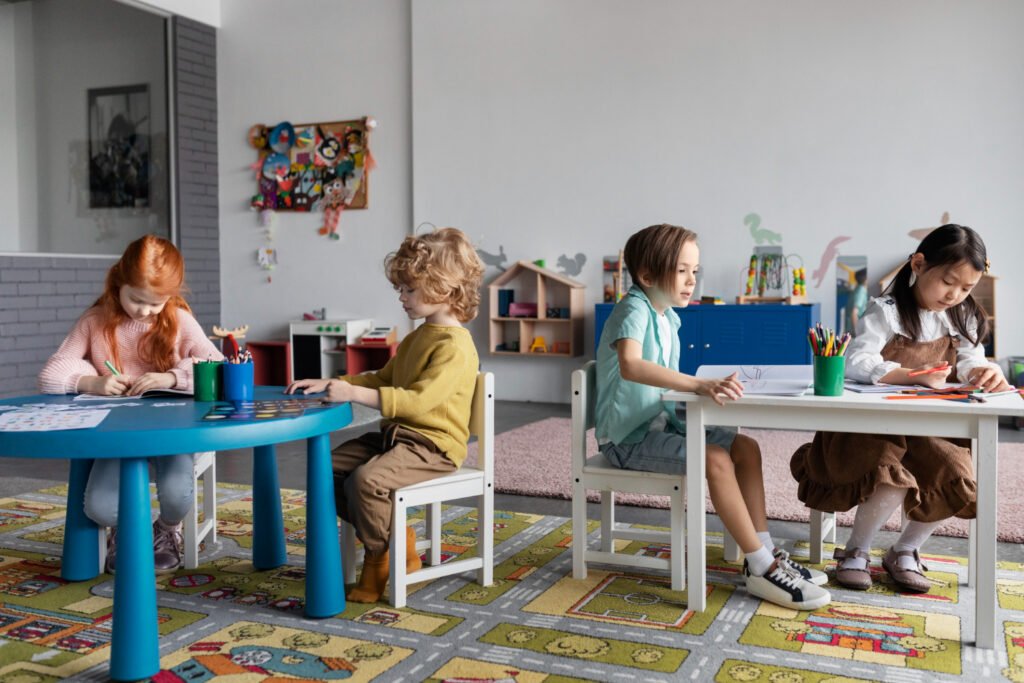
✔ Bright, welcoming spaces
✔ Organized learning areas
✔ Age-appropriate materials
✔ Safe equipment
✔ Children’s artwork on display
A well-organized classroom should feel calm, inviting, and engaging.
Watch Teacher Interactions
Teachers play the most important role in your child’s daily experience.
Notice whether they:
- Speak kindly and respectfully
- Encourage curiosity
- Listen to children
- Offer guidance instead of punishment
- Build positive relationships
Warm interactions are often one of the strongest signs of a quality preschool.
Observe the Children
Children can tell you a lot about a preschool.
Ask yourself:
- Do they seem happy?
- Are they actively engaged?
- Do they interact respectfully?
- Are they comfortable approaching teachers?
Children who feel secure are more likely to enjoy learning.
Ask About Daily Routines
Understanding the schedule helps you know what your child can expect.
Questions include:
- How much outdoor time is provided?
- How are meals and snacks handled?
- Is there quiet time or rest time?
- How much free play is included?
- How are transitions managed?
Balanced routines support children’s development and confidence.
Understand Communication
Strong partnerships between families and teachers matter.
Ask:
- How do you communicate with parents?
- How often do families receive updates?
- Are conferences offered?
- Can parents contact teachers easily?
Open communication helps everyone support the child’s success.
Safety Matters
Ask about:
- Visitor policies
- Emergency procedures
- Staff training
- Medication procedures
- Playground safety
Parents should always feel confident that children are cared for in a safe environment.
Questions Worth Asking
Some additional questions include:
- What curriculum do you use?
- What are your class sizes?
- How do you support children with different learning styles?
- How do you prepare children for kindergarten?
- How long do teachers typically stay with the program?
After the Tour
Before making a decision, compare your notes.
Think about:
- Which environment felt most welcoming?
- Which teachers connected best with children?
- Which program matched your family’s priorities?
- Could you picture your child feeling comfortable there?
Choosing a preschool isn’t about finding perfection—it’s about finding the place where your child can grow, learn, and thrive.