Understanding Preschool Curriculum Styles
Every child learns differently. Explore the most common teaching
approaches used by preschools to find the learning environment that best
matches your child’s personality, interests, and developmental needs.
What makes one curriculum different from another?
Program type tells you where your child will spend their day — a Montessori school, a child care center, a faith-based program. Curriculum style tells you what actually happens once they’re in the room: how a teacher introduces a new idea, how much a child gets to choose, and what a normal Tuesday morning feels like.
Two schools with the same program type can teach in very different ways, and the same curriculum style can show up inside more than one program type. Understanding both helps you ask sharper questions on a tour.
Program Type
What kind of preschool is this? Independent, Montessori, faith-based, child care, immersion, or public.
Curriculum Style
How children learn every day. The teaching philosophy behind each lesson, activity, and routine.
What makes one preschool different from another?
Program type shapes everything — from daily rhythms and teaching philosophy to tuition and hours. Knowing these six structures helps you ask the right questions before you ever step through a classroom door.
01

Academic Learning
A structured, teacher-directed curriculum introducing letters, numbers, and early reading through daily lessons and skill-based activities — best for children who thrive on routine.
Kindergarten-focused
Structured routine
Skill tracking
Example schools: Bright Horizons Academy · Maple Grove Learning Center
02

Montessori
Children choose their own work from hands-on materials, moving at their own pace in mixed-age classrooms that build independence and deep concentration.
Mixed-age classrooms
Hands-on materials
Child-led
Example schools: Maple Grove Montessori · Prairie Seeds Academy
03
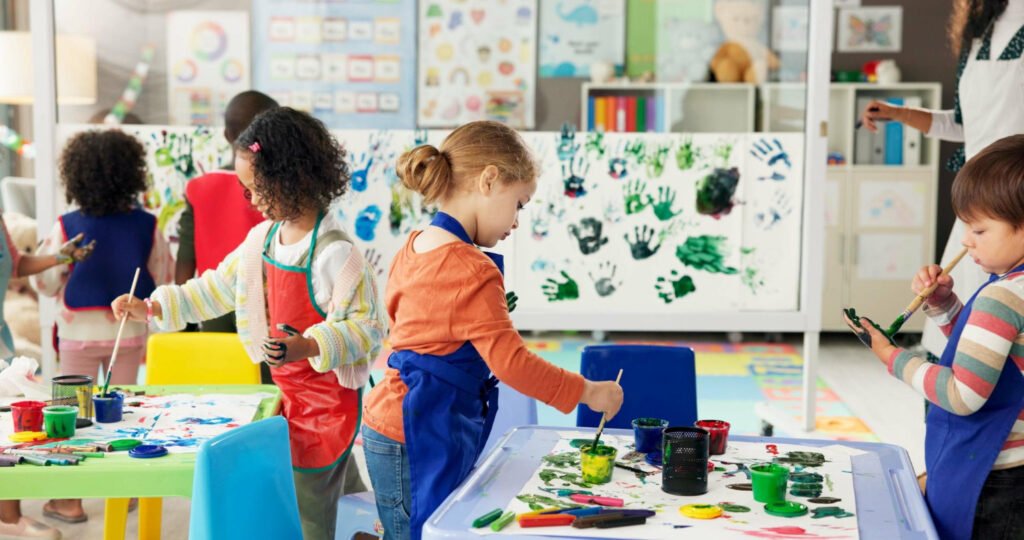
Play-Based Learning
Learning happens through child-initiated play — building, pretending, and exploring — while teachers weave in literacy, math, and problem-solving skills along the way.
Learning through play
Creativity
Social skills
Example schools: Sunshine House Preschool · Little Explorers Maple Grove
04
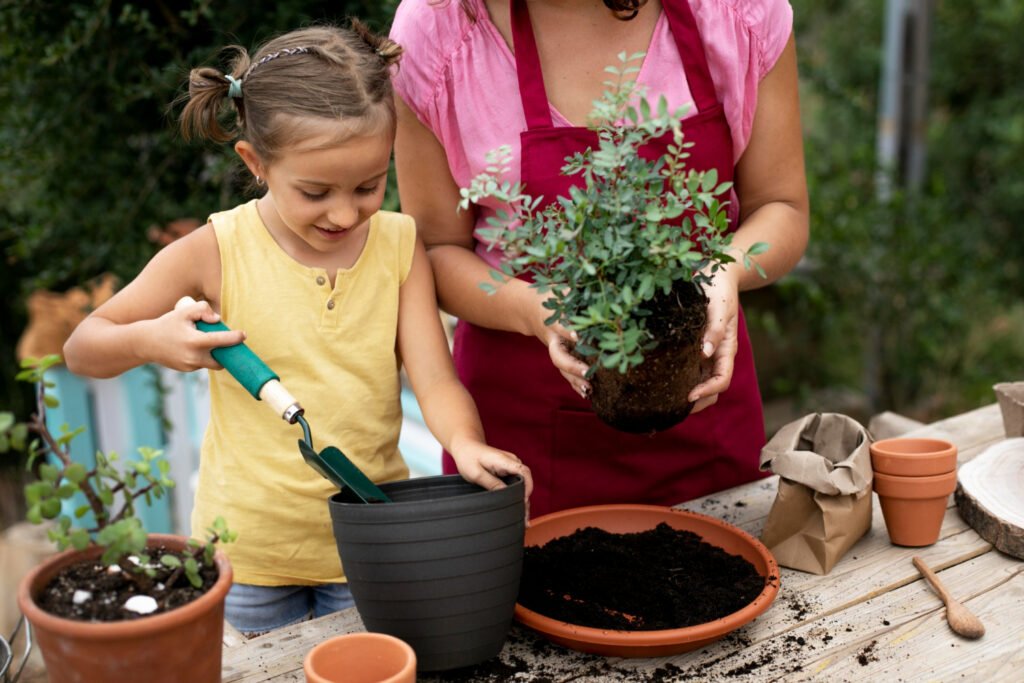
Nature-Based Learning
Most of the school day happens outdoors, using the natural world as the classroom — building physical activity, environmental awareness, and hands-on curiosity.
Outdoor exploration
Environmental learning
Physical activity
Example schools: Elm Creek Nature School · Maple Grove Forest Preschool
05

Christian Education
Academic and social learning are woven together with Bible stories, prayer, and character-building lessons grounded in shared faith and community values.
Faith-integrated
Character building
Community values
Example schools: Grace Lutheran Preschool · Maple Grove Christian Academy
06

Language Immersion
A second language — most often Spanish — is used for most or all instruction, taking advantage of the brain’s natural window for lasting bilingual fluency.
Bilingual learning
Daily language exposure
Cultural awareness
Example schools: Escuelita Maple Grove · Twin Languages Academy
How to Choose the Right Curriculum
Start with what you already know about your child. These are the most common starting points parents tell us about.
✔ If this sounds like your child
"My child loves exploring independently and gets absorbed in one activity for a long time."
Montessori
✔ If this sounds like your child
"My child learns best through movement, imagination, and hands-on creativity."
Play-Based
✔ If this sounds like your child
"We value outdoor time and want our child to spend most of the day outside."
Montessori
✔ If this sounds like your child
"We'd love our child to grow up bilingual, or we already speak a second language at home."
Language Immersion
✔ If this sounds like your child
"We prefer a structured, academic environment that closely mirrors kindergarten."
Academic
✔ If this sounds like your child
"Faith is central to our family life, and we want that reflected in our child's school day."
Christian Education
Common Myths About Curriculum Styles
Play-based means children just play all day.
Children build literacy, math, communication, and social skills through carefully guided play, not free-for-all time.
Montessori is only for gifted or highly independent kids.
Montessori materials are designed for a wide range of learning styles and paces, not a specific type of child.
Academic programs are the only way to prepare for kindergarten.
Play-based and Montessori programs consistently meet the same kindergarten readiness benchmarks through different methods.
Nature-based schools skip academics entirely.
Counting acorns, measuring rainfall, and tracking seasons build real math and science skills outdoors.
Frequently Asked Questions
There isn't a single "best" curriculum — only the best fit for your child's personality and your family's priorities. A structured learner may thrive in an Academic setting, while a hands-on explorer may do better with Montessori or Play-Based learning.
Neither is objectively better. Montessori emphasizes independent, self-directed work with specialized materials, while Play-Based learning centers on open-ended, imaginative play. Both build strong academic and social foundations in different ways.
Yes. Many Maple Grove preschools blend approaches — for example, a play-based classroom with nature time each afternoon, or an academic program that borrows Montessori materials. Ask any school directly how they describe their own approach.
Watch how your child already plays at home. Do they gravitate toward one focused activity, or move quickly between many? Do they ask a lot of "why" questions outdoors? Those everyday clues, combined with a classroom tour, are the best guide.
Related Resources
Guide
Program Types
Read the guide →
Guide
Compare Preschool Approaches
Read the guide →
Checklist
Preschool Tour Checklist
Download →
Resources
Parent Resources
Browse resources →
Still deciding?
Download the Preschool Tour Checklist or explore our preschool comparison guides to continue your research.